

A Bad Deal Today Means a Bigger War Tomorrow
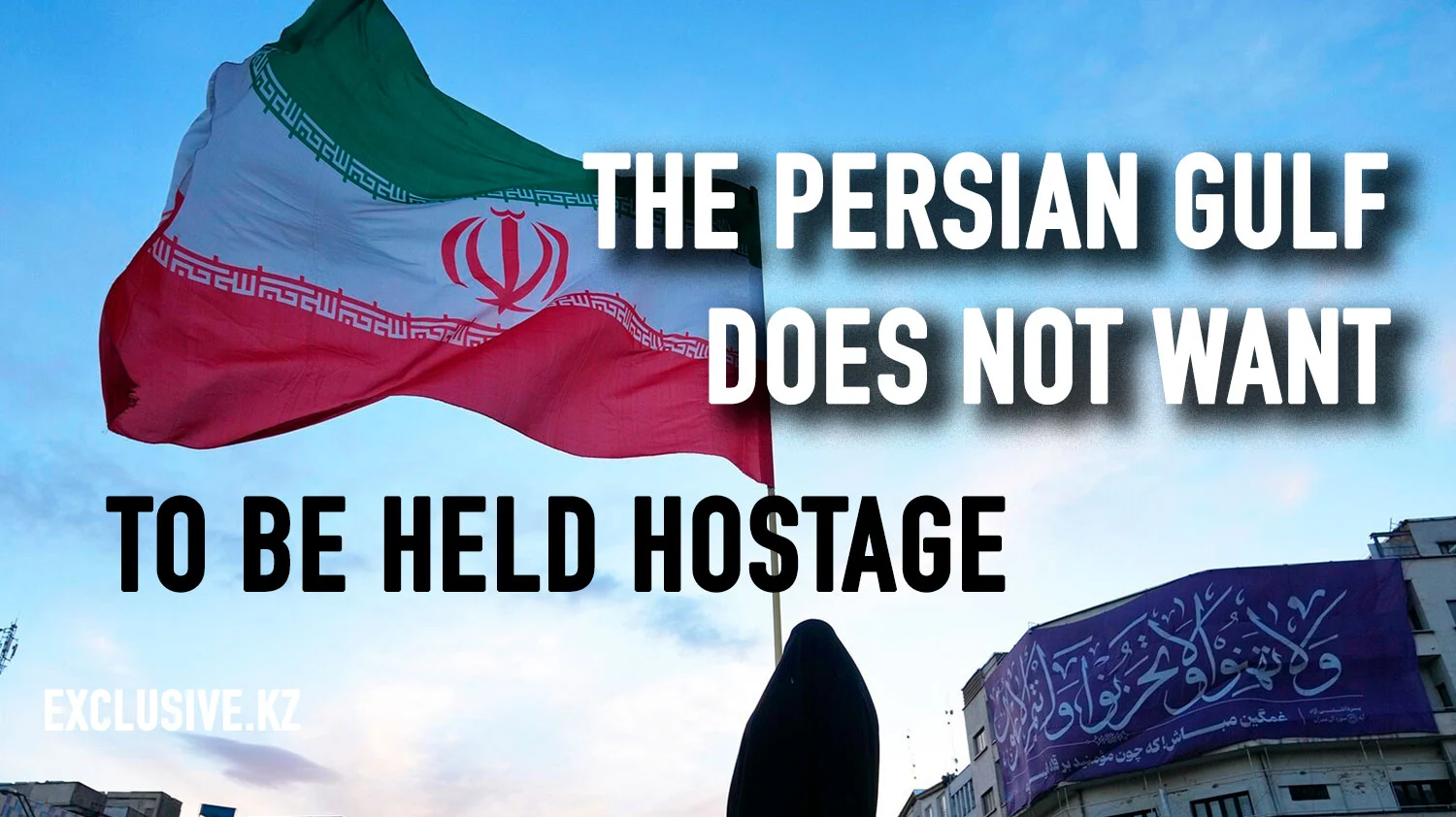
Diplomatic instinct suggests that, when conflicts intensify, parties should head to the negotiating table. That impulse might be rooted in genuine moral concern, but there are times when heeding it is dangerous. Now is just such a time: negotiations to end the Iran war today would be dangerously premature, naive, and likely to produce an outcome that all but guarantees another war.
- Negotiations to end the Iran war today are described as dangerously premature, naïve, and likely to produce an outcome that guarantees another war.
- Iran has funded and armed proxy militias (Hezbollah in Lebanon, the Houthis in Yemen, Hamas in Palestine) and pursued a nuclear program to hold the international community hostage.
- The regime is portrayed as hanging on by a thread, with leadership decimated, military infrastructure degraded, economy strangled, and a exhausted population.
- Some argue for a swift deal with Iran, but the article warns such an agreement would not be in good faith and would allow Iran to rebuild proxies and its missile program after attacks stop.
- The 2015 Joint Comprehensive Plan of Action (JCPOA) is cited as failing to curb Iran’s ballistic missiles, proxies, and destabilizing regional activities, with Iran continuing missile testing during its implementation in defiance of UN Security Council Resolution 2231, and Hezbollah’s arsenal growing from about 30,000 to more than 100,000 rockets by 2023.
- Any future agreement must cover nuclear ambitions, missile capabilities, support for armed groups, Gulf security concerns, and include strict monitoring with clear consequences; international backers should remain unified.
- The UAE and Gulf states advocate long-term security over short-term concessions and demand a seat at the negotiating table, rejecting negotiations with terrorists and noting the 2018 U.S. withdrawal from the JCPOA as a mistake to avoid repeating.
Iran has given the international community little reason to trust it. Since the 1979 revolution that led to the establishment of the Islamic Republic, the regime has funded and armed proxy militias across the Middle East–including Hezbollah in Lebanon, the Houthis in Yemen, and Hamas in Palestine–and pursued a nuclear program designed to hold the international community hostage. Iran has repeatedly negotiated in bad faith, used agreements to buy time, and treated diplomacy as a tactical instrument, rather than a pathway to lasting resolutions.
Today, this regime is hanging on by a thread. Its leadership has been decimated, its military infrastructure is severely degraded, its economy is being strangled, and its population is exhausted. Some argue that the United States should take this opportunity to secure a swift and favorable deal with the Islamic Republic. But, under such conditions, a regime like Iran’s does not negotiate in good faith, with the goal of building a stable future. It does what it needs to do to survive and rebuild.
This is the risk inherent in US President Donald Trump’s efforts to cut an immediate deal with Iran. Those in charge would likely present any agreement, regardless of its substance, as evidence of the Islamic Republic’s resilience and endurance. As soon as the attacks stopped, the regime would immediately start re-consolidating its power, rebuilding its proxy networks, and reconstituting its missile program, while continuing to terrorize its own people and destabilize the Middle East.

The 2015 Joint Comprehensive Plan of Action serves as a warning. Because the JCPOA was narrowly focused on curtailing Iran’s nuclear program, the regime was able to continue advancing its ballistic-missile program, its network of proxies, and its destabilizing regional activities, without violating the formal terms of the agreement–an outcome that the Gulf states anticipated and warned against. While the JCPOA was being implemented, Iran continued testing ballistic missiles, in defiance of United Nations Security Council Resolution 2231. Moreover, Hezbollah’s arsenal expanded from some 30,000 rockets and missiles to more than 100,000 in 2023.
Trump, who withdrew the US from the JCPOA in 2018, must not repeat this mistake. Any future agreement with Iran must cover not only the regime’s nuclear ambitions, but also its missile capabilities, its support for armed groups across the region, and the Gulf states’ legitimate security concerns. Furthermore, it must include strict monitoring mechanisms and clear consequences for violations, which could boost the chances of compliance by aligning incentives. For credibility’s sake, its international backers must remain united. Anything less risks laying the groundwork for future crises.
Whether Trump is willing or able to secure such an agreement remains unclear. His administration claims that he is engaged in “productive conversations” with Iran, but Iran’s leadership has challenged this story. When the Trump administration sent, through Pakistan, a 15-point proposal aimed at opening a way to a ceasefire, Iran countered with a list of demands, including reparations and sovereignty over the critical Strait of Hormuz.
More fundamentally, Trump seems to regard any agreement as more of a commercial transaction than a critical arrangement with far-reaching implications for the Middle East’s future security architecture. But any agreement shaped primarily by short-term considerations–such as stabilizing energy markets or securing a “victory” before the US midterm elections in November–would generate serious long-term strategic consequences, not least by enabling the Iranian regime to rebuild.
The Gulf states have shown far more consistency and clarity of vision. As Anwar Gargash, a diplomatic adviser to the president of the United Arab Emirates, recently noted, Iran’s attacks on Gulf countries have “profound geopolitical implications” and demand strategic clarity, not appeasement.
Similarly, the UAE’s foreign affairs minister, His Highness Sheikh Abdullah bin Zayed Al Nahyan, has articulated a firm stance that prioritizes long-term security over short-term concessions, stating unequivocally that the country “will never be blackmailed by terrorists.” The statement echoed a longstanding mantra of US foreign policy: “We do not negotiate with terrorists.” Yet here we are, watching a US administration scramble to cut a deal with a regime that the US has designated as a state sponsor of terrorism since 1984.
This is not an argument against pursuing peace. Peace remains essential for the people of Iran, who did not choose this regime, for the people of Lebanon, who did not choose this war, and for the Gulf states, which are facing escalating security threats. Rather, this is a call for a more strategic approach, which recognizes that reaching a durable resolution, with the necessary scope, will be impossible until the right conditions are in place.
Internal divisions notwithstanding, Iran’s leadership remains convinced that it has not run out of strategic options. But the concept of a “mutually hurting stalemate,” developed by the late Ira William Zartman, indicates that parties engage in meaningful negotiations only when continued escalation offers no viable path to victory and the status quo is untenable. Iran is undoubtedly badly damaged, but its leadership has not yet demonstrated that it has reached this conclusion.
The UAE and its Gulf neighbors have earned the right to demand that their security is not traded away at a negotiating table where they have no seat, following a war on which they were not consulted. Any future settlement must address the full spectrum of the challenges posed by Iran. Anything less is not diplomacy; it is capitulation dressed in diplomatic language.
Copyright: Project Syndicate, 2026. www.project-syndicate.org

Все комментарии проходят предварительную модерацию редакцией и появляются не сразу.