

Why the High Seas Treaty Matters for Everyone
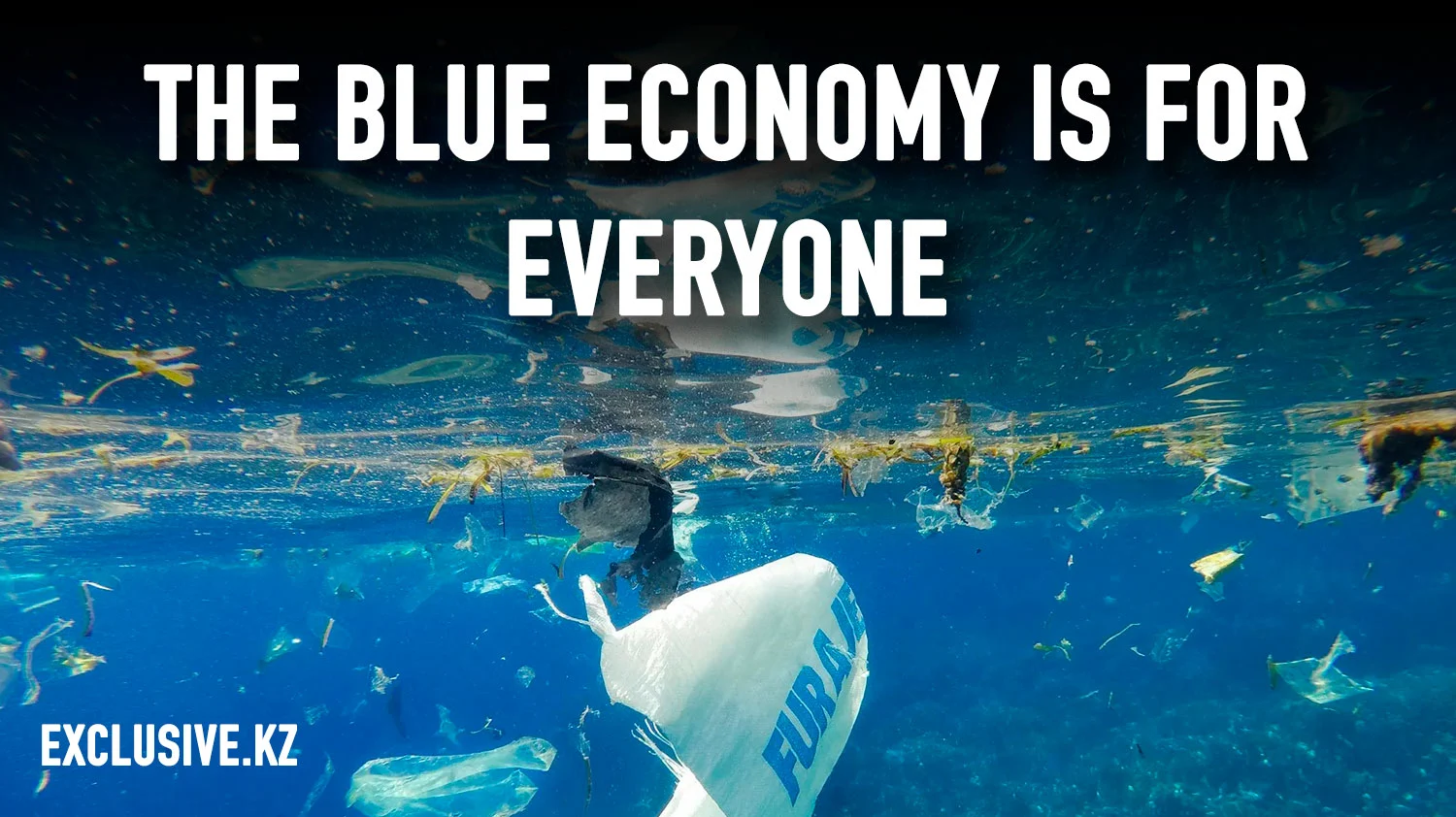
The world recently passed an important milestone: the agreement on the Conservation and Sustainable Use of Marine Biological Diversity of Areas beyond National Jurisdiction, commonly known as the High Seas Treaty, has now come into force. The treaty enshrines a fundamental truth that: without a healthy ocean, life on this planet cannot endure.
- The High Seas Treaty, the Conservation and Sustainable Use of Marine Biological Diversity of Areas beyond National Jurisdiction, has now come into force.
- In February 2025 Malawi became the first landlocked country to ratify the High Seas Treaty.
- The treaty provides the first-ever framework to create marine protected areas outside national jurisdiction on the high seas, which covers nearly two-thirds of the ocean.
- Africa accounts for 18 of the treaty's 85 ratifications, with African countries representing one-quarter of the 145 signatories.
- The Kunming-Montreal Global Biodiversity Framework targets protecting at least 30% of all land and ocean areas by 2030, offering a higher goal for ocean protection.
- Malawi cites examples like UNESCO World Heritage protection of Lake Malawi and regional cooperation, including the Eastern Atlantic Canary and Guinea currents convergence zone protection, as models for conservation.
- COP1 is planned within the next year, and Malawi urges global participation to advance ocean governance and stewardship.
More than a thoroughfare for travel and trade, the ocean is indispensable to human lives and livelihoods, not just in coastal regions but also in landlocked communities. Globally, the blue economy employs more than 500 million people and provides food security for around three billion. The ocean influences climate and rainfall patterns around the world, even in inland countries like Malawi, where around 80% of us rely on rain-fed agriculture. And crucially, the ocean absorbs 30% of human-produced carbon dioxide, making it an indispensable carbon sink.
Moreover, coastal and inland regions alike are vulnerable to catastrophic climate events fueled by rising ocean temperatures, and to marine exploitation from overfishing and bottom trawling. In 2023, Cyclone Freddy, the longest-lasting tropical storm on record, hit Malawi with an unprecedented amount of “accumulated cyclone energy,” owing to higher ocean temperatures. Freddy’s destructive force displaced more than 659,000 Malawians, demonstrating that an unhealthy ocean threatens us all, regardless of geography.
All countries have a responsibility to protect and restore ocean systems. That is why in February 2025 Malawi became the first landlocked country to ratify the High Seas Treaty. In doing so, we affirmed that the high seas are our global commons, belonging equally to all countries.

Alongside other African countries, we have advocated for robust conservation and more just and equitable governance of humanity’s common heritage. That means expanding access to, and sharing the benefits from, ocean resources, as well as building greater capacity for all countries to implement the High Seas Treaty effectively. In this spirit, Malawi’s position aligns with the adage that came to define the negotiations: “nothing about us without us.” Decisions affecting the ocean’s future must reflect the meaningful participation of all countries, so that no one is left behind.
Ocean stewardship is not defined by proximity to the sea, but by a willingness to act in the common interest by safeguarding humanity’s shared life-support system. The new treaty is a monumental step forward in this respect, as it provides the first-ever framework to create marine protected areas outside national jurisdiction on the high seas, an area covering nearly two-thirds of the ocean.
We now have a pathway to preserve ecosystems whose protection promises to deliver outsize global benefits. Safeguarding critical areas like the Saya de Malha Bank seagrass system in the Indian Ocean, the biologically rich Walvis Ridge off southern Africa, and ecologically significant areas in the Gulf of Guinea will allow marine life to recover and thrive, ultimately strengthening the ecosystems on which we all depend.
The High Seas Treaty offers further proof of what inclusive international collaboration can achieve. But it is only a starting point. We must do more to ensure a climate-resilient future by setting more ambitious yet attainable goals. For example, the Kunming-Montreal Global Biodiversity Framework, with its target to protect at least 30% of all land and ocean areas by 2030, offers an opportunity to aim higher.
To succeed, we must harness the momentum generated by the High Seas Treaty. In Malawi, we have seen first-hand how important international cooperation is for achieving conservation goals. To safeguard Lake Malawi, Africa’s third-largest lake, we protected key areas by having them recognized as a UNESCO World Heritage site, ensuring that biodiversity could be conserved though consistent monitoring and community engagement. We hope this effort will serve as a model for others. Safeguarding nature must be science-based, inclusive, and designed to protect future generations.
Regional networks will be essential to translate ocean goals into real-world policies, while also ensuring that ocean guardianship aligns with all countries’ and regions’ priorities. The Economic Community of West African States’ commendable effort to protect biodiversity within the Canary and Guinea currents’ convergence zone (in the Eastern Atlantic) is one such example. It has already shown what is possible when cross-regional collaboration is directed toward ocean stewardship.
African leaders must continue lighting the path ahead of us. African countries now represent one-quarter of the High Seas Treaty’s 145 signatories, and 18 of its 85 ratifications. We must build on this momentum at the upcoming Our Ocean Conference in Kenya, placing African leadership firmly at the center of ocean governance.
When Malawi became the first landlocked country to ratify the treaty, we helped redefine what ocean guardianship looks like. Our decision made clear that every country – no matter how far from the coast – has a stake in the issue. We are now urging all others to do the same ahead of the first Conference of the Parties to the High Seas Treaty (COP1), which will be held within the next year. This is a pivotal moment for the ocean’s future, and for our own.
Copyright: Project Syndicate, 2026. www.project-syndicate.org




Все комментарии проходят предварительную модерацию редакцией и появляются не сразу.