


A Turning Point for African Industrialization
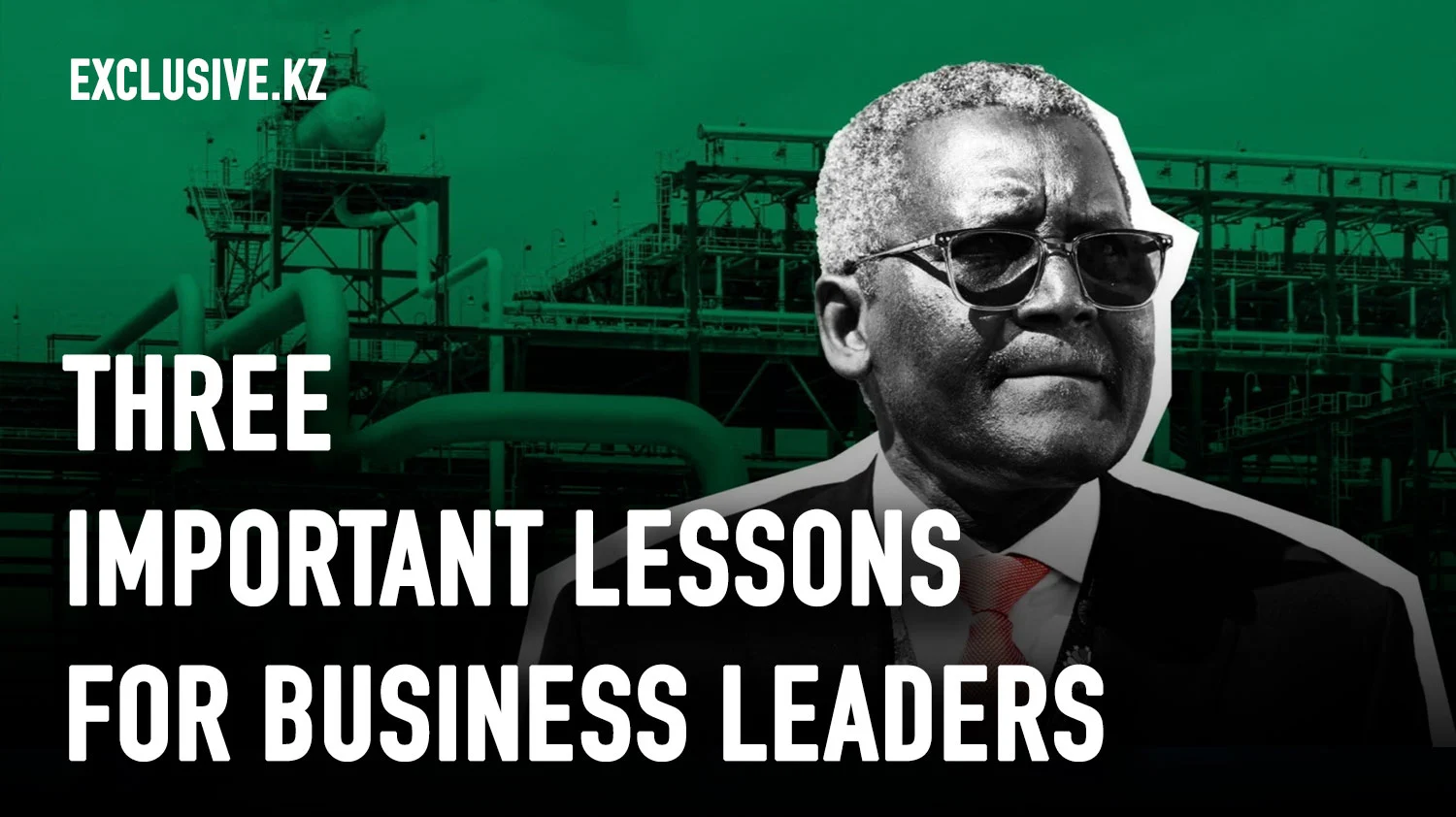
Africa’s richest person, the Nigerian industrialist Aliko Dangote, has built the world’s largest single-train oil refinery in Lekki, on the southern outskirts of Lagos. With a crude-processing capacity of 700,000 barrels per day, the facility has produced petroleum products such as diesel, petrol, and jet fuel for African and global markets since 2024.
But Dangote’s refinery has taken on new importance following the major energy disruptions caused by the blockade of the Strait of Hormuz–a result of the US war against Iran. Many Western governments and companies are now buying refined oil and jet fuel from the Lagos facility. The fact that Nigeria is exporting finished products, rather than crude oil, to Western customers at this scale marks a turning point for Africa–and for the global energy industry.
Building on the success of this mega-refinery, Dangote has already met with the presidents of Kenya, Tanzania, and Uganda to plan the construction of a second one in Lamu, Kenya, to supply East Africa. The new refinery would source crude from Uganda, Kenya, the Democratic Republic of the Congo (DRC), and South Sudan.
Dangote’s strategy holds three major lessons for the African business and political leaders who believe that industrialization is the key to the continent’s economic transformation. For starters, Dangote’s achievement demonstrates that Africa’s abundant natural resources and raw materials can be processed into value-added products on the continent and then exported to global markets. Such capacity can be essential in moments of crisis, like the Iran war, but it is equally important in more serene times, because it would allow African economies to boost their competitiveness, and enable African entrepreneurs to integrate more easily into global value chains.
Second, such a strategy works well for resources that, like oil, are in high demand globally. Africa has them in abundance: coltan, cobalt, uranium, and other critical minerals and rare earths in the DRC; cocoa beans, cashew nuts, rubber, and other agricultural products in Côte d’Ivoire; and iron ore and bauxite in Guinea.

With coherent industrial policies and investments by local entrepreneurs and international firms, these resources could be processed locally into finished or semi-finished goods and sold in Africa or on global markets. The impact would be transformative. The DRC could earn billions of dollars by refining coltan for smartphones and laptops, or cobalt for electric-vehicle batteries, taking advantage of fast-growing industries. Likewise, Guinea could extract more from its resources by exporting aluminum, which has recently traded for more than $3,000 per metric ton on the London Metal Exchange, instead of crude dry bauxite, whose prices usually fall below $100 per metric ton.
Lastly, Dangote has provided a path for the continent’s policymakers to follow by seemingly convincing three African heads of states to pool resources and engage in an innovative public-private partnership that will supply much-needed refined fuel to the regional economy. African leaders must bolster their own efforts to foster cross-border collaboration, including through regional organizations, to secure large investments in manufacturing and other essential infrastructure.
For far too long, African countries have refused to embrace such win-win partnerships, despite the continent’s many regional economic unions. But the pattern of solo economic actors turning to protectionism and shying away from efforts to build large regional markets has started to change with the implementation of the African Continental Free Trade Area–a rare opportunity for increasing manufacturing exports and intra-African trade.
After building a great fortune for himself, Dangote has vowed to go beyond investing for profit and focus on Africa’s industrialization. He is committed to leaving a legacy and building local value chains to supply the critical goods that Africa–and the rest of the world–consumes. There are considerable investment opportunities of this type across the continent, and large amounts of African capital waiting to be mobilized. All the continent needs is other leaders to follow Dangote’s lead.
Copyright: Project Syndicate, 2026. www.project-syndicate.org



Все комментарии проходят предварительную модерацию редакцией и появляются не сразу.