

Why Is Putin Silent on Venezuela?
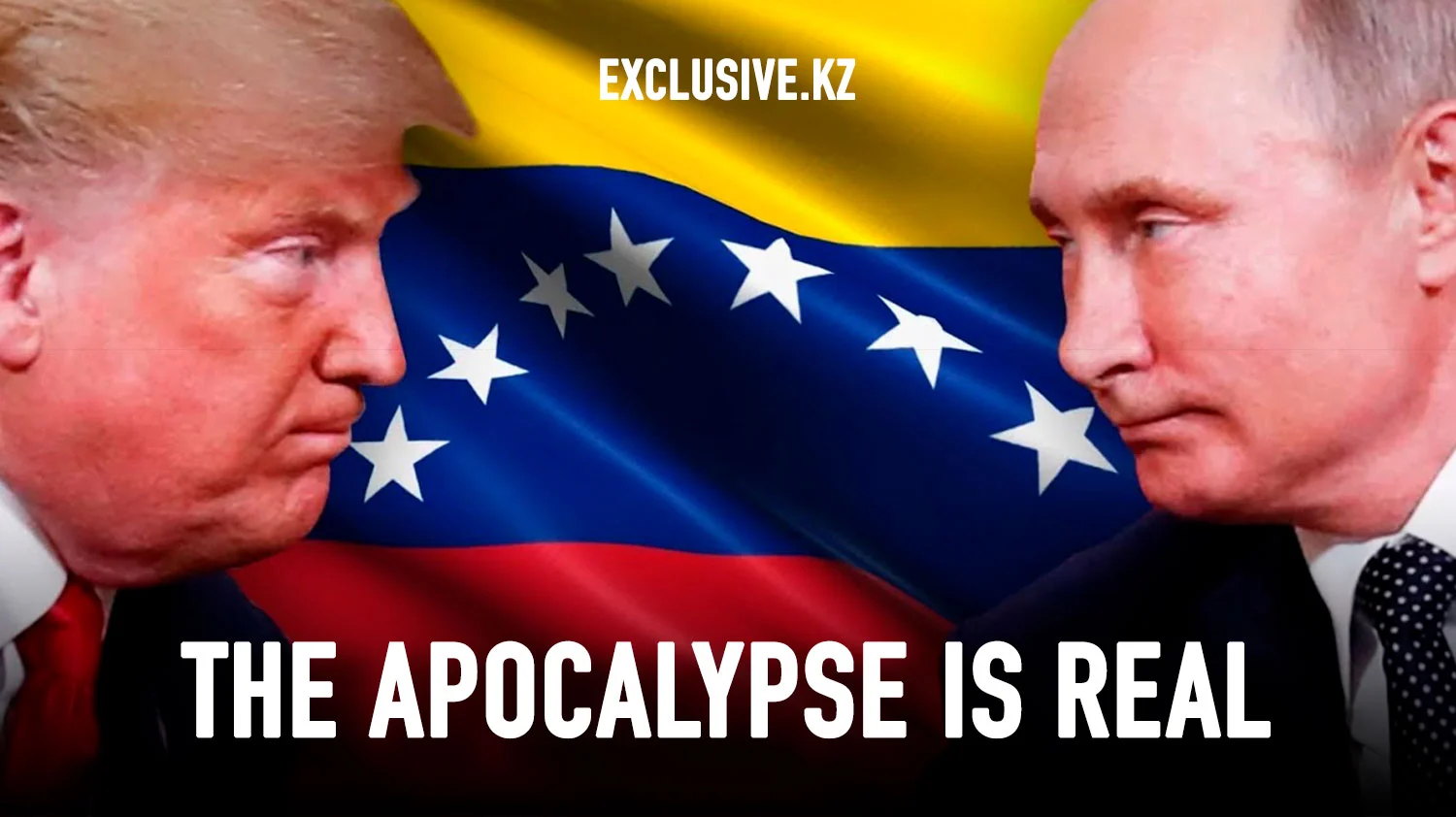
Russia’s patriotic bloggers and war correspondents – the group most supportive of the country’s “special military operation” in Ukraine – are outraged. US President Donald Trump’s administration has sent forces to attack Russian ally Venezuela, kidnapping its president, Nicolás Maduro, and seizing an oil tanker flying the Russian flag. Russia should be sinking American ships, they cry, or even launching nuclear missiles at its enemies. But Russian President Vladimir Putin has not even issued an official statement.
To be sure, the foreign ministry – without a hint of irony – condemned America’s “armed aggression” against Venezuela as an “unacceptable violation of the sovereignty of an independent state.” Moreover, Putin rarely reacts immediately to major events, preferring to observe how they unfold and calibrate his response accordingly. This approach sometimes comes across as shrewd and confident, though in this case it may betray a sense of weakness – or at least profound uncertainty.
Before the attack on Venezuela, Putin appeared rather confident about Russia’s position in Ukraine. Trump was promoting a “peace plan” with a clear bias toward Russia and putting considerable pressure on Ukrainian President Volodymyr Zelensky to withdraw Ukrainian forces from territories they control. Add to that Russia’s repeated strikes on Ukrainian energy infrastructure, which have led to constant power outages in the dead of winter, and Putin was convinced that Ukraine would soon be ready to accept its peace terms.
But the Trump administration’s recent actions have cast doubt on Putin’s assessment. The US still says that peace in Ukraine remains a priority, and its recent promise of security guarantees for Ukraine will not involve US boots on the ground – something that Russia would strongly oppose. While intercepting a Russian tanker can be interpreted as an attempt to humiliate Putin, the Trump administration claims that it was actually a Venezuelan ship, which flew a Russian flag to evade capture, and the US released the two Russian crew members.

Nonetheless, the Trump administration is undoubtedly unhappy with Russia’s refusal fully to embrace the peace plan it put forward in November. Trump has now reportedly “greenlit” long-delayed legislation that would impose tough new sanctions on Russia and raise tariffs on countries that knowingly purchase Russian oil or uranium as high as 500%.
While Putin certainly does not relish any appearance of weakness, nor does he want to risk exacerbating tensions with the US – hence his silence. But his willingness to be pushed around has its limits. The question is whether the Trump administration will prove pushy enough to find out what those limits are.
Many Western observers think that now is the time to tighten the screws on Russia, not only by ramping up sanctions, but also by supplying Ukraine with more weapons and targeting Russia’s “shadow fleet,” a network of oil tankers that use deceptive tactics to evade Western sanctions. Zelensky has gone so far as to encourage Trump implicitly to replicate his Venezuelan playbook not only in Russia, but also in Chechnya.
While the idea that Trump would send US forces into Russia is fanciful, the apparent success of the operation in Venezuela has emboldened the hawks in his inner circle. “We’re a superpower,” Stephen Miller, White House deputy chief of staff, recently insisted, and “we are going to conduct ourselves as a superpower.”
This bullying mentality increases the chances that the US will cross a line that Putin deems unacceptable – say, by targeting large numbers of Russian oil ships, attempting to impose draconian peace terms on Russia, or encouraging unrest, as it is doing in Iran.
Putin has few options for retaliation against the US. If the US Navy wants to seize an oil tanker, having Russian armed guards on board, or even positioning Russian warships nearby, will not stop it. Russia’s only real leverage is its nuclear arsenal. And while Putin can always issue a nuclear ultimatum to Trump, it might not be taken seriously. Russian threats could carry more weight if they were issued in concert with a military power like China, but China has plenty of other levers – including control over the global supply of rare-earth elements – that it can use against the US.
Nonetheless, Putin has already resorted to nuclear saber-rattling. If he is pushed to the point that he decides that his only option is to launch a nuclear attack, the US will undoubtedly respond in kind. As long as the Ukraine war continues, the risk of an apocalyptic scenario will remain elevated.
As for Zelensky, he should watch his back. Putin might not want to confront Trump, but following the US capture of Maduro, he might decide to show that Russia has the skills to do the same to its enemies, especially after the alleged drone attack on Putin’s residence in the northern Novgorod region. While Ukraine has denied any involvement in that assault, accusing Russia of attempting to derail peace talks by emphasizing it, Russia has pledged to retaliate. In any case, Russia’s attacks on Ukraine’s energy infrastructure will continue – as will Putin’s silence on Venezuela.
Copyright: Project Syndicate, 2026. www.project-syndicate.org
Все комментарии проходят предварительную модерацию редакцией и появляются не сразу.

Молчание Путина — безысходность! России конец, даже русское быдло во всю твердит об этом! Экономике, политике, международным отношениям, социальной сфере — всему! Это настоящий закат России! Не даром сейчас снимают картину с таким названием! Она наверняка получит Оскар, а Трамп — Нобелевскую премию мира!